Latest posts
Navigating Global Crypto Policies: How New Crypto Laws Affect Retail Traders

Introduction Global Crypto Policies are changing rapidly as governments and financial regulators introduce new rules for digital assets, stablecoins, crypto exchanges, taxation, and consumer protection. For retail traders, these changes can affect where they can trade, which services they can access, how exchanges verify their identity, and how cryptocurrency transactions are reported or taxed. The…
Institutional Banking & Web3: Global Banks Embrace DeFi
Introduction Institutional Banking & Web3 are moving closer together as major financial institutions increasingly explore blockchain-based infrastructure, tokenized money, smart contracts, and decentralized finance technologies. What once appeared to be an experimental corner of the crypto industry is now becoming part of a broader transformation in how banks approach payments, settlement, liquidity, and digital assets.…
Zero-Knowledge Proofs in 2026: The Tech Scaling Privacy and Performance in Web3
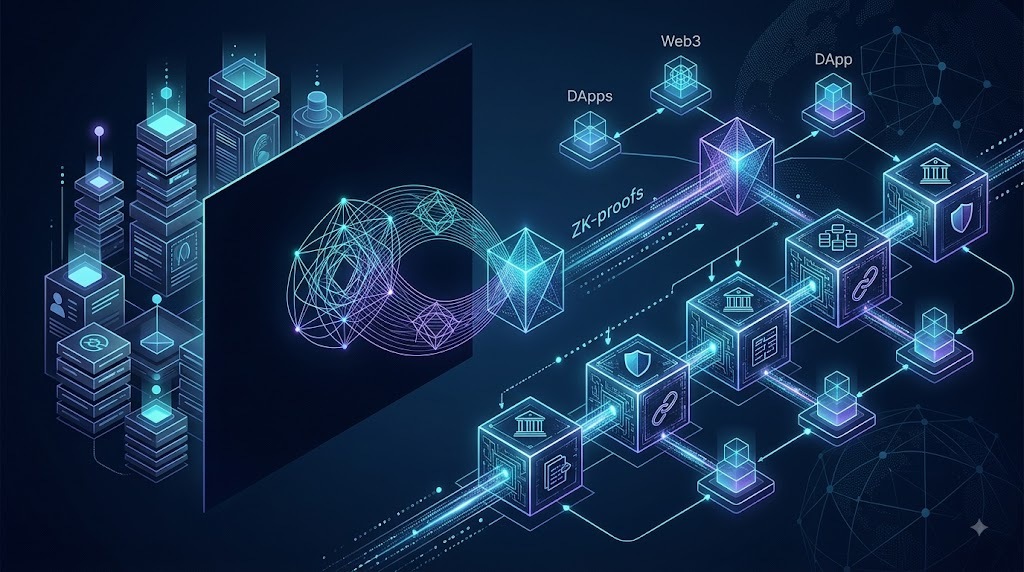
Interedition Zero-knowledge proofs are becoming one of the most important technologies shaping Web3 in 2026. As blockchain networks expand beyond early experiments and move toward broader mainstream adoption, developers and institutions face a difficult challenge: how to increase scalability and efficiency without sacrificing privacy, security, or trust. Zero-knowledge technology offers a powerful answer. Instead of…
Beyond Stablecoins: Why Private Credit and Investment Funds Are Moving On-Chain
Interedition Tokenized private credit is emerging as one of the most important developments in the next phase of institutional blockchain adoption. After years of stablecoins leading the real-world asset revolution, attention is increasingly shifting toward a much larger part of traditional finance: private credit and investment funds. Stablecoins proved that blockchain networks can support digital…
The Rise of AI-Driven Smart Contracts: Automated Yield Farming and Risk Management
Introduction Artificial intelligence and blockchain are increasingly converging to create a new generation of decentralized financial applications. While smart contracts have already transformed how blockchain-based applications operate, the integration of artificial intelligence could make these systems more adaptive, automated, and capable of responding to changing market conditions. Traditional smart contracts follow predefined rules. Once deployed,…
Commercial Real Estate Tokenization: How Blockchain and Fractional Ownership Are Changing Property Investment
Introduction commercial real estate tokenization is entering a new phase as blockchain technology begins to reshape how investors can access, own, and trade property-related assets. For decades, commercial properties such as office buildings, shopping centers, warehouses, hotels, and logistics facilities have largely been accessible through direct ownership, private funds, real estate investment trusts, and other…
On-Chain Lending Security: How Smart Contracts Reduce Counterparty Risk
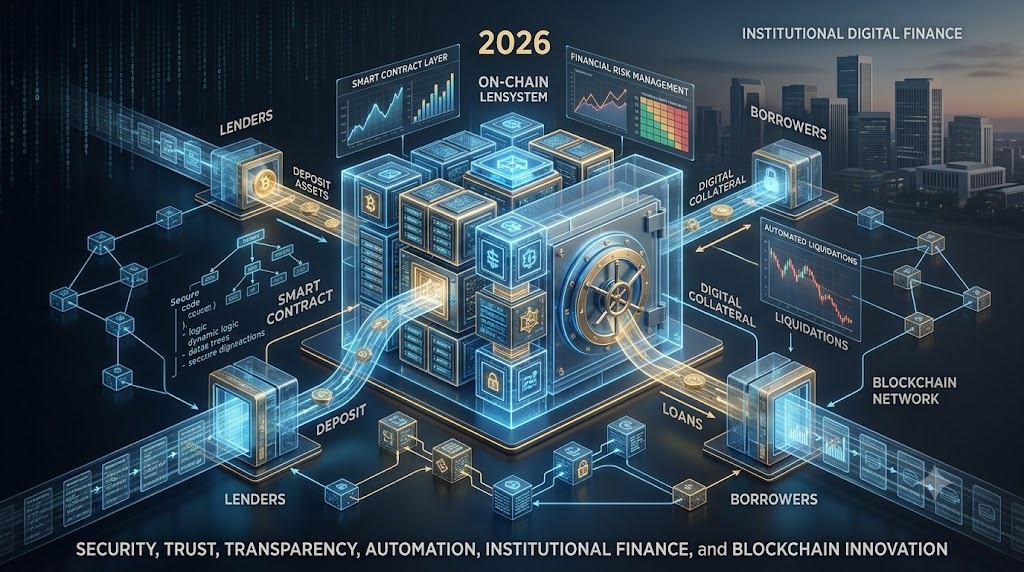
Introduction On-chain lending security is becoming one of the most important issues in the rapidly evolving digital-asset lending market. Individuals, businesses, banks, and investment institutions borrow capital for everything from everyday operations to large-scale investments. Traditionally, lending depends heavily on intermediaries that evaluate borrowers, hold collateral, enforce agreements, process payments, and manage defaults. The rise…
Tokenized U.S. Treasuries & Bonds: The New Safe-Haven for Crypto Investors?
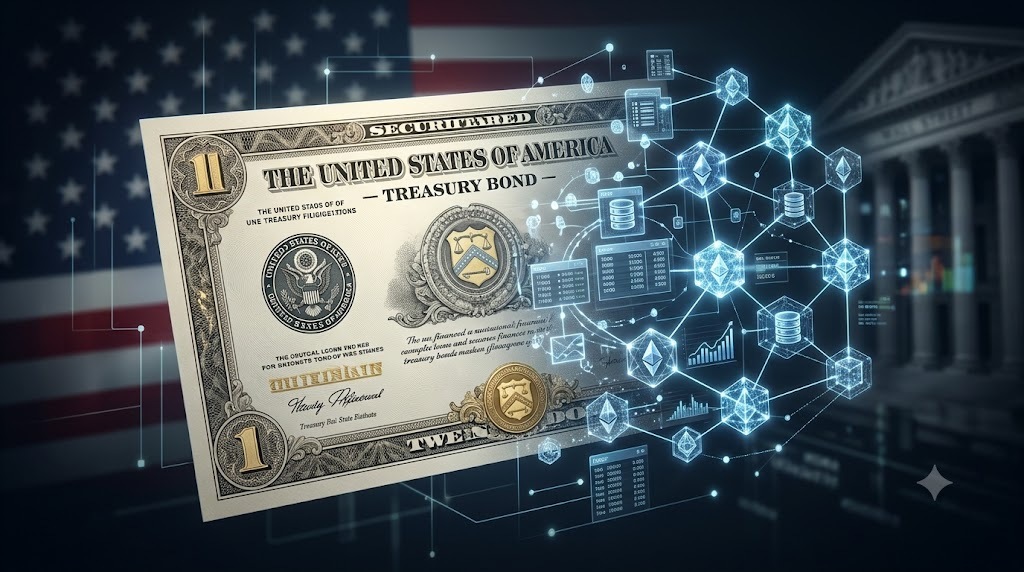
Introduction The cryptocurrency market has spent years searching for ways to combine the speed and accessibility of blockchain technology with the stability of traditional financial assets. One of the most important developments emerging from that effort is tokenized U.S. Treasuries and bonds. Once viewed primarily as instruments for banks, governments, and institutional investors, U.S. Treasury…
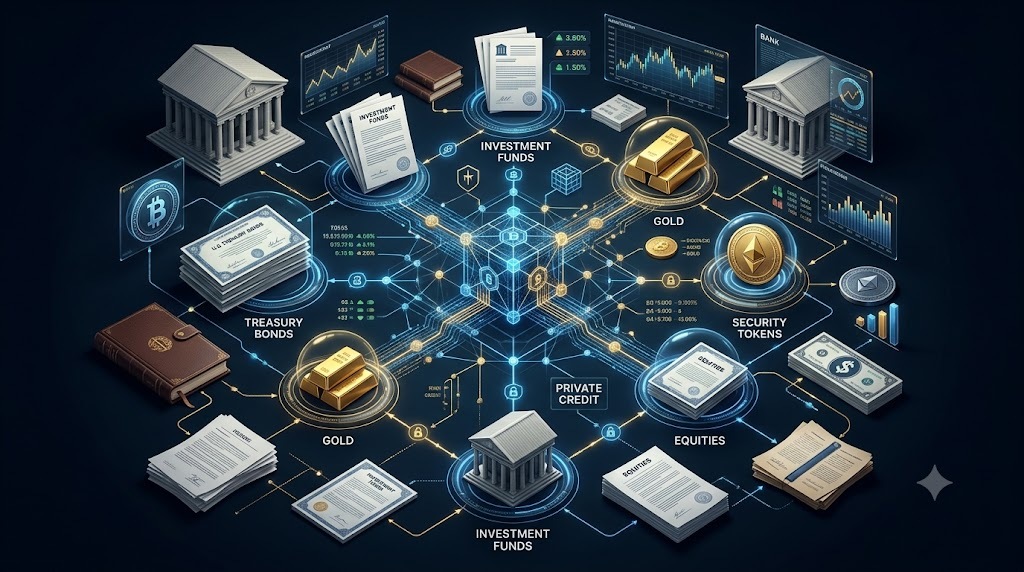
The RWA Surge: How Institutional Tokenization Is Reshaping Wall Street in 2026
Introduction RWA tokenization 2026 is accelerating as banks, asset managers, market infrastructures, and financial technology companies explore blockchain-based representations of real-world assets such as U.S. Treasuries, money-market funds, private credit, commodities, equities, and other financial instruments. What began largely as an experiment within cryptocurrency markets is increasingly becoming a financial infrastructure story. Tokenization does not…
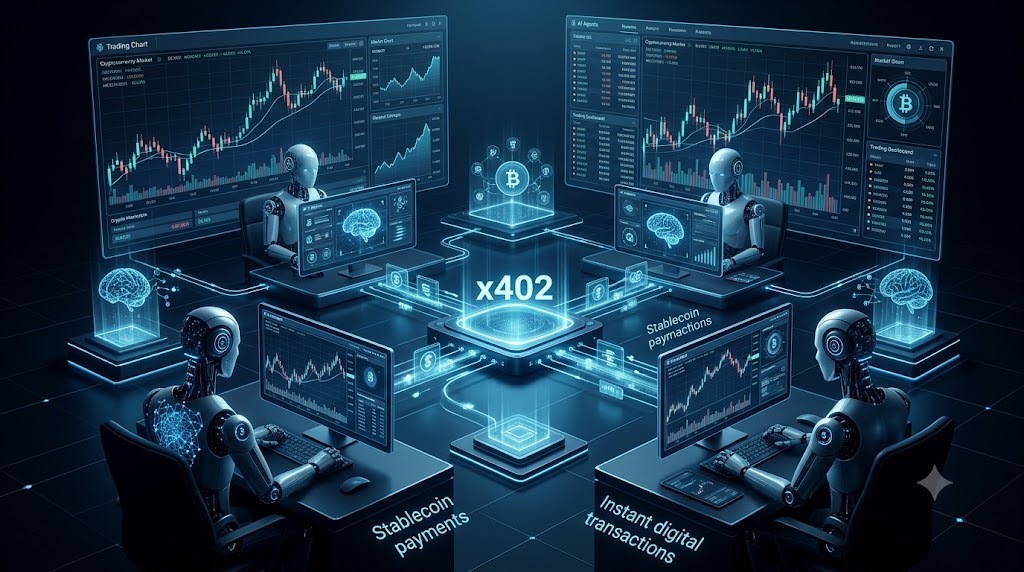
AI Agents Fuel Automated Trading Growth Through x402 Adoption
Introduction x402 adoption is gaining momentum as AI agents move beyond simple automation and begin performing increasingly complex financial and commercial tasks. By enabling machine-to-machine payments, the x402 protocol can help autonomous software access paid APIs, market data, analytics, blockchain infrastructure, and other digital services without requiring a human to manually complete every transaction. At…