
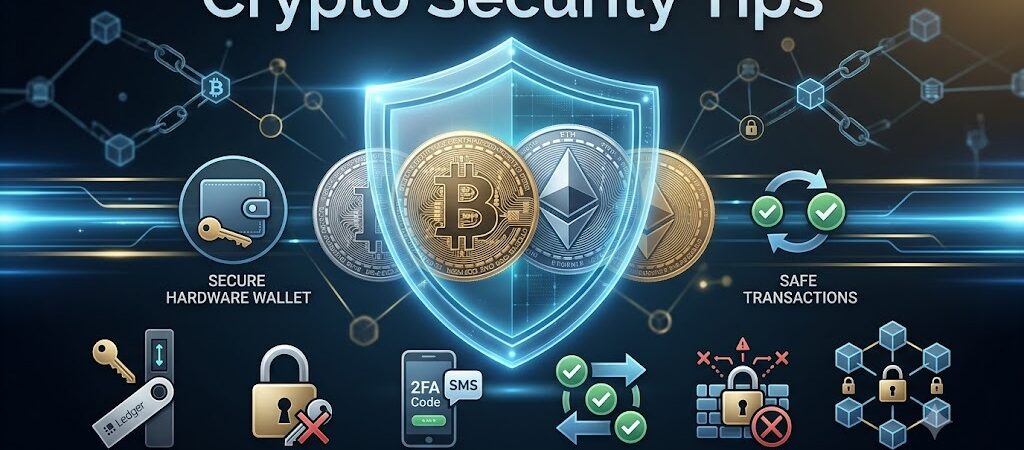
Introduction
Crypto Security Tips have become essential knowledge for anyone investing, trading, or holding digital assets. As cryptocurrency adoption continues to grow, protecting your Bitcoin, Ethereum, and other digital currencies from hackers, scams, and unauthorized access is more important than ever.
Unlike traditional financial systems, cryptocurrency users are responsible for managing their own security. Losing a private key, clicking a fake link, or using weak account protection can result in permanent loss of funds. This makes understanding proper security practices a crucial part of every crypto investor’s journey.
From securing wallets and using strong passwords to enabling two-factor authentication and avoiding suspicious platforms, small security improvements can make a big difference. Whether you are a beginner entering the crypto market or an experienced trader managing a portfolio, following reliable security methods can help protect your digital wealth.
In this guide, we will share the most important Crypto Security Tips to help you protect your assets, avoid common mistakes, and build safer habits in the cryptocurrency world. https://cryptopulsemagazine.com/spot-vs-futures-trading/
Why Crypto Security Is Important
Crypto security is one of the most important aspects of managing digital assets. Unlike traditional bank accounts, cryptocurrency transactions are usually irreversible, meaning stolen funds are often difficult or impossible to recover. This makes personal security practices a critical responsibility for every crypto user.
As the cryptocurrency industry grows, cybercriminals continue to develop new methods to target investors. Hackers use phishing websites, fake applications, malware, social engineering, and exchange attacks to gain access to wallets and accounts.
Growing Risks in the Crypto Market
Several factors make crypto security especially important:
- Digital assets are valuable targets: As crypto prices increase, attackers have more reasons to target investors.
- Transactions are irreversible: Once cryptocurrency is sent to the wrong address or a scammer, recovery can be extremely difficult.
- Users control their own funds: Self-custody gives users freedom but also requires strong security practices.
- Online threats are increasing: Fake websites, malicious apps, and phishing attacks continue to evolve.
Protecting Your Digital Future
Following proper Crypto Security Tips helps investors reduce risks and maintain control over their assets. Simple actions like using strong passwords, enabling security features, and verifying information before making transactions can prevent many common attacks.
Good security habits are not only for large investors. Even small crypto holders should understand basic protection methods because every digital asset deserves careful management. https://cryptopulsemagazine.com/best-crypto-wallets-for-beginners-2026/
15 Essential Crypto Security Tips
Following the right security practices can significantly reduce the risk of losing your cryptocurrency. These Crypto Security Tips will help you protect your wallets, accounts, and digital assets from common threats.
1. Use Strong and Unique Passwords
Create strong passwords that include a combination of letters, numbers, and special characters. Avoid using the same password across multiple crypto accounts because one compromised account can put your other assets at risk.
2. Enable Two-Factor Authentication (2FA)
Two-factor authentication adds an extra security layer to your accounts. Even if someone discovers your password, they will still need the second verification step to access your account.
3. Protect Your Private Keys and Seed Phrase
Your private keys and recovery phrase provide complete access to your crypto wallet. Never share them with anyone, store them online, or enter them on unknown websites. https://cryptopulsemagazine.com/how-blockchain-works/
4. Use a Hardware Wallet
Hardware wallets store your private keys offline, making them more resistant to online hacking attempts. They are especially useful for investors holding cryptocurrency for the long term.
5. Choose Trusted Crypto Exchanges
Only use reputable cryptocurrency exchanges with strong security systems and a proven track record. Research an exchange before depositing funds or sharing personal information.
6. Avoid Suspicious Links
Phishing attacks often use fake websites that look similar to legitimate crypto platforms. Always verify website addresses before entering login details or connecting your wallet.
7. Keep Software Updated
Regularly update your wallet apps, devices, and security software. Updates often include important fixes that protect against newly discovered vulnerabilities.
8. Do Not Share Personal Information
Avoid sharing details about your crypto holdings, wallet addresses, or investment activity publicly. Criminals may use this information to target users. https://www.coindesk.com/
9. Verify Crypto Transactions Carefully
Before sending cryptocurrency, double-check the wallet address, network, and transaction amount. A small mistake can result in permanent loss of funds.
10. Be Careful With Public Wi-Fi
Avoid accessing crypto accounts through unsecured public Wi-Fi networks. If necessary, use additional security measures such as a trusted VPN.
11. Review Wallet Connections Regularly
Check which applications and websites have access to your wallet. Remove unknown or unnecessary connections to reduce security risks.
12. Store Backup Information Safely
Keep wallet recovery information in a secure offline location. Avoid storing seed phrases in screenshots, emails, or cloud storage.
13. Avoid Unrealistic Investment Offers
Be cautious of offers promising guaranteed profits, free crypto rewards, or extremely high returns. These are common tactics used by scammers.
14. Separate Trading and Long-Term Holdings
Consider using different wallets for daily trading and long-term storage. This can help limit losses if one account becomes compromised.
15. Stay Educated About New Threats
Crypto security risks continue to change. Learning about new scams, hacking methods, and safety practices helps you stay one step ahead.
By following these Crypto Security Tips, investors can create stronger protection habits and reduce the chances of becoming victims of cyber attacks or financial fraud.
How to Secure Your Crypto Wallet
A cryptocurrency wallet is the gateway to your digital assets, making wallet security one of the most important parts of protecting your funds. Whether you use a software wallet, mobile wallet, or hardware wallet, following proper safety practices can greatly reduce the risk of unauthorized access.
1. Choose the Right Type of Wallet
Different wallets offer different levels of security:
- Hardware wallets: Store private keys offline and provide strong protection against online threats.
- Software wallets: Offer convenience but require careful security management.
- Mobile wallets: Allow quick access but should only be used with strong device protection.
For large or long-term holdings, many investors prefer hardware wallets because they keep private keys away from internet-connected devices.
2. Never Share Your Seed Phrase
Your seed phrase is the backup key to your wallet. Anyone who obtains it can potentially access your funds.
Follow these rules:
- Write your seed phrase on paper or store it in a secure offline location.
- Never send it through email or messaging apps.
- Never enter it on unknown websites.
- Never share it with anyone claiming to be support staff.
3. Use Additional Security Features
Improve wallet protection by using available security options:
- Enable device passwords or biometric protection.
- Use transaction confirmations carefully.
- Keep wallet applications updated.
- Review wallet activity regularly.
4. Be Careful When Connecting to DApps
Decentralized applications can provide useful services, but connecting your wallet to unknown platforms can create security risks. Always verify applications before approving wallet permissions.
Remove access from suspicious or unused connections to keep your wallet safer.
5. Keep Backup Information Offline
Digital storage methods such as screenshots, cloud storage, and email accounts can be vulnerable to hacking. Store important wallet backup information offline and in a secure location.
A secure wallet is the foundation of strong cryptocurrency protection. By applying these Crypto Security Tips, investors can maintain better control over their digital assets and reduce exposure to common security threats.
Common Security Mistakes to Avoid
Even experienced cryptocurrency users can make security mistakes that put their digital assets at risk. Understanding these common errors is an important part of following effective Crypto Security Tips and maintaining better protection.
1. Using Weak Passwords
Many users create simple passwords or reuse the same password across multiple accounts. If one account is compromised, attackers may gain access to other important services.
Always use strong, unique passwords and consider using a trusted password manager.
2. Keeping Large Amounts of Crypto on Exchanges
Crypto exchanges are convenient for trading, but keeping all your funds on an exchange can increase exposure to security risks. For long-term holdings, consider using a secure personal wallet.
3. Ignoring Two-Factor Authentication
Some users do not enable 2FA because it seems inconvenient. However, this extra security step can provide important protection against unauthorized account access.
4. Clicking Unknown Links
Fake emails, messages, and websites are common tools used by scammers. Clicking a suspicious link may lead to phishing attacks that steal login details or wallet information.
Always verify links before opening them.
5. Sharing Too Much Information Online
Publicly discussing your crypto holdings, wallet balances, or investment activity can attract unwanted attention. Avoid revealing sensitive financial information on social media.
6. Downloading Unverified Applications
Fake wallet apps and malicious software can steal private information. Only download wallet applications from official sources and verify developer information.
7. Ignoring Software Updates
Outdated devices and applications may contain security weaknesses. Regular updates help protect against newly discovered threats.
8. Making Emotional Decisions
Fear, excitement, and pressure can lead to poor security choices. Scammers often use urgency and emotional manipulation to trick investors.
Taking time to verify information is one of the strongest security habits.
Avoiding these mistakes and applying reliable Crypto Security Tips can help investors build safer crypto habits and protect their digital assets from unnecessary risks.
Best Practices for Long-Term Crypto Protection
Protecting cryptocurrency is not only about preventing immediate threats; it is also about building strong security habits for the future. Long-term investors should create a reliable protection strategy to keep their digital assets safe through different market conditions.
1. Use Cold Storage for Long-Term Holdings
Cold storage keeps cryptocurrency private keys offline, reducing exposure to online attacks. Crypto Security Tips Hardware wallets and other offline solutions are commonly used by investors who plan to hold assets for extended periods.
2. Create Multiple Security Layers
A strong security strategy should include several protection methods:
- Strong and unique passwords
- Two-factor authentication
- Secure wallet practices
- Regular security checks
- Updated devices and applications
Using multiple layers makes it harder for attackers to access your accounts.
3. Maintain Secure Backup Plans
Prepare a backup plan for your wallet information. Store recovery details in a safe offline location and make sure trusted arrangements are in place if access is ever lost. https://crypto.news/
4. Monitor Your Accounts Regularly
Regularly check your wallets, exchange accounts, and transaction history. Early detection of suspicious activity can help prevent further damage.
5. Stay Updated on Security Developments
The cryptocurrency industry changes quickly, and new threats appear regularly. Following trusted crypto security information can help you recognize emerging risks.
6. Separate Different Crypto Activities
Using separate wallets for different purposes can improve security:
- One wallet for long-term storage
- One wallet for regular transactions
- One wallet for testing new applications
This approach can reduce the impact if one wallet becomes compromised.
7. Practice Patience and Verification
Security starts with careful decision-making. Always verify information, research platforms, and avoid making quick decisions based on pressure or promises of easy profits.
Following these Crypto Security Tips and maintaining good habits can help investors protect their digital assets for the long term while confidently participating in the cryptocurrency ecosystem.
Frequently Asked Questions (FAQ)
1. What are the most important Crypto Security Tips for beginners?
The most important Crypto Security Tips for beginners include using strong passwords, enabling two-factor authentication, protecting private keys, avoiding suspicious links, and using trusted cryptocurrency platforms.
2. Is a hardware wallet safer than a software wallet?
Yes, hardware wallets are generally considered safer for long-term storage because they keep private keys offline. Crypto Security Tips Software wallets are convenient but require careful security practices.
3. Should I share my crypto wallet password or seed phrase?
No. Never share your wallet password, private keys, or seed phrase with anyone. Legitimate crypto companies will never ask for this information.
4. How can I protect my crypto from hackers?
You can protect your crypto by using secure wallets, enabling 2FA, keeping devices updated, avoiding phishing links, and regularly reviewing account activity.
5. Is keeping crypto on an exchange safe?
Reputable exchanges usually have security measures, but keeping large amounts of cryptocurrency on exchanges can carry risks. Crypto Security Tips Many long-term investors prefer personal wallets for additional control.
6. Why is crypto security important?
Crypto security is important because cryptocurrency transactions are usually irreversible. Strong security habits help prevent unauthorized access, scams, and permanent financial losses.
Final Thoughts
Following the right Crypto Security Tips is essential for protecting your digital assets in today’s rapidly growing cryptocurrency market. As hackers and scammers continue to develop new techniques, investors must stay informed and maintain strong security habits.
Simple actions such as protecting your seed phrase, using two-factor authentication, choosing trusted platforms, and verifying transactions can significantly improve your overall crypto safety.
Cryptocurrency provides exciting opportunities, but security should always be a priority. Whether you are a beginner or an experienced investor, taking responsibility for your digital asset protection is one of the smartest decisions you can make.
By applying these proven Crypto Security Tips, you can reduce risks, protect your investments, and build a safer experience in the world of cryptocurrency.