Latest posts
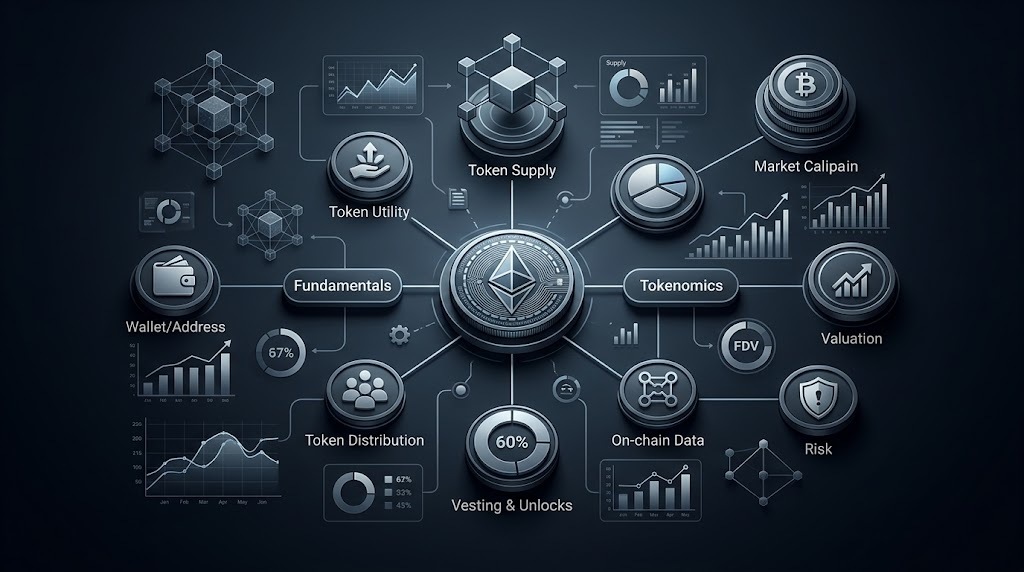
A Step-by-Step Guide to Evaluating a Token’s Fundamentals and Tokenomics

Introduction to Token Fundamentals and Tokenomics The cryptocurrency market contains thousands of tokens, but not every project deserves an investment simply because its price is rising or its community is growing. Behind every serious crypto project are fundamental factors that can help investors understand its purpose, potential, risks, and long-term sustainability. One of the most…
How to Avoid Advanced On-Chain Scams and Phishing Attacks
Introduction — Why On-Chain Scams Are Becoming More Advanced The growth of blockchain technology has created new opportunities for financial innovation, decentralized applications, tokenized assets, and permissionless global transactions. However, the same features that make blockchain networks powerful can also create opportunities for sophisticated scams and phishing attacks. Unlike traditional financial systems, blockchain transactions are…
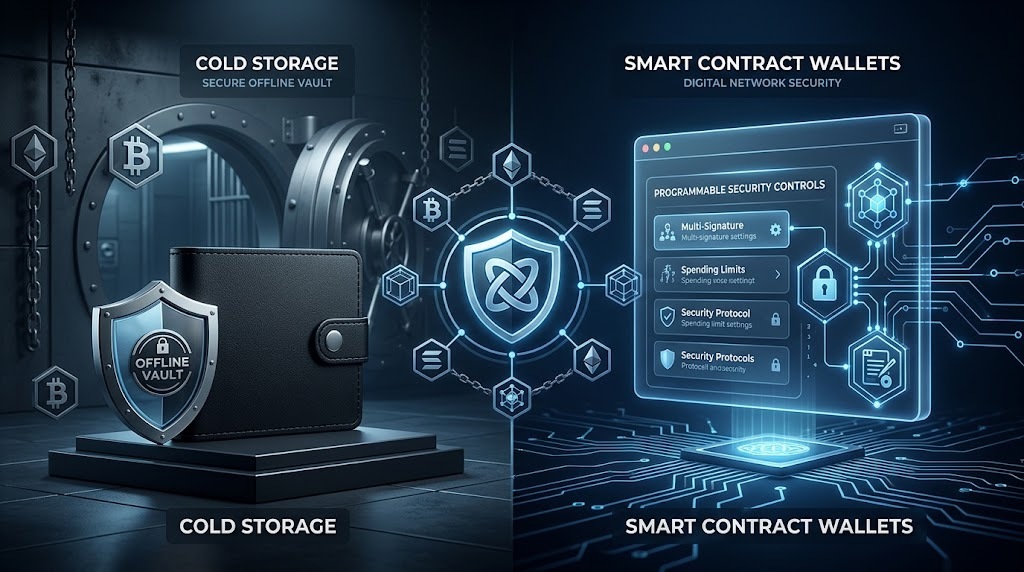
Cold Storage vs. Smart Contract Wallets: Choosing the Right Crypto Security Setup
Introduction — Why Crypto Wallet Security Is Changing Cold storage vs smart contract wallets is an important security decision for anyone holding, trading, or using digital assets across modern blockchain networks. In the early days of cryptocurrency, the basic security question was often simple: should assets be kept in an online wallet or stored offline?…
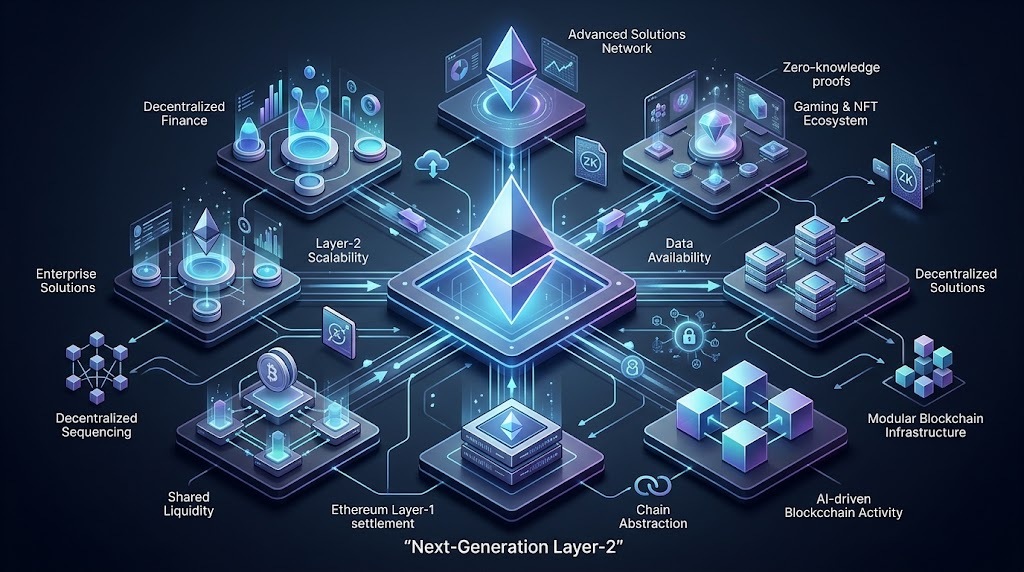
Next-Gen Layer-2 Solutions: Scalability Beyond Ethereum Rollups
Introduction — The Next Era of Ethereum Layer-2 Scaling Ethereum has evolved from a programmable blockchain into one of the most important foundations of the decentralized economy. Its smart-contract capabilities support decentralized finance (DeFi), non-fungible tokens (NFTs), stablecoins, gaming, tokenized real-world assets, decentralized applications, and an expanding range of blockchain-based financial services. However, Ethereum’s growing…
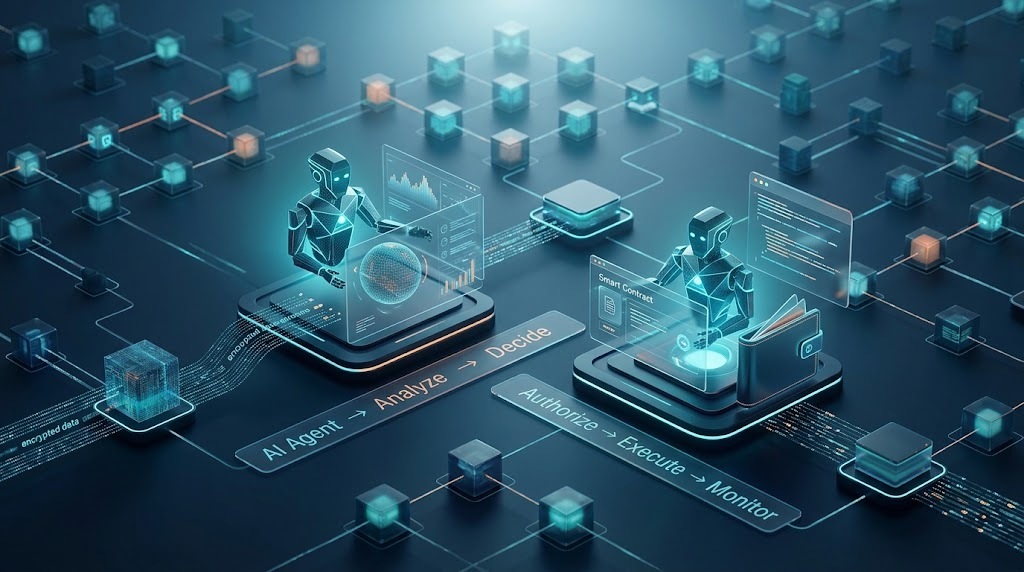
How AI Agents Are Transforming Autonomous On-Chain Transactions
Introduction — The Rise of Autonomous On-Chain Transactions The blockchain industry is entering a new phase in which software is becoming capable of doing more than simply following instructions. AI agents are emerging as autonomous digital systems that can analyze information, make decisions, interact with blockchain networks, and execute transactions according to predefined objectives. For…
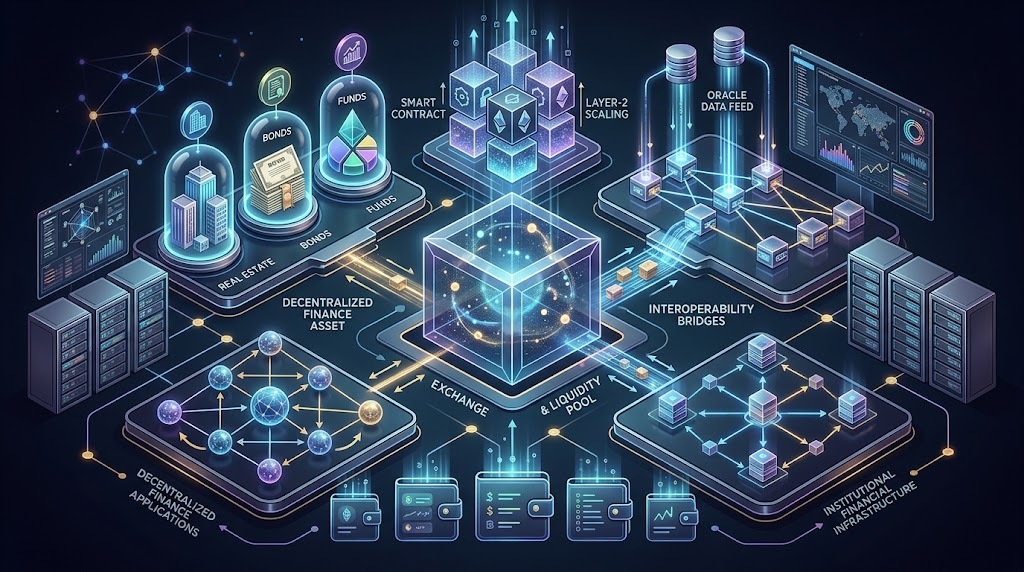
The Rise of Real-World Asset (RWA) Tokenization: From Treasury Bills to Real Estate
Introduction — The Rise of RWA Tokenization What Is DeFi? Decentralized finance (DeFi) is a blockchain-based financial ecosystem that allows people to access services such as lending, borrowing, trading, and earning yield without relying entirely on traditional financial intermediaries. Real-world assets, commonly known as RWAs, include a wide range of traditional financial and physical assets…
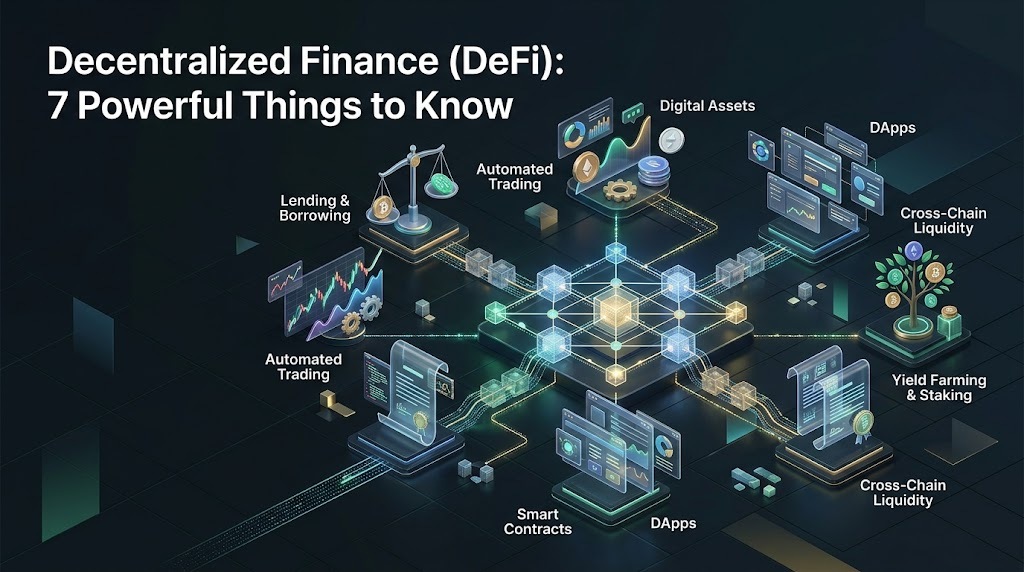
DeFi, Tokenization & Web3 Infrastructure: 7 Key Trends Shaping the Future of Finance
Introduction — Why DeFi, Tokenization & Web3 Infrastructure Matter Decentralized finance, asset tokenization, and Web3 infrastructure are becoming increasingly connected parts of the evolving digital financial system. What began largely as experimentation around cryptocurrencies and decentralized applications is expanding toward a broader infrastructure layer for payments, markets, asset management, settlement, and financial services. In 2026,…
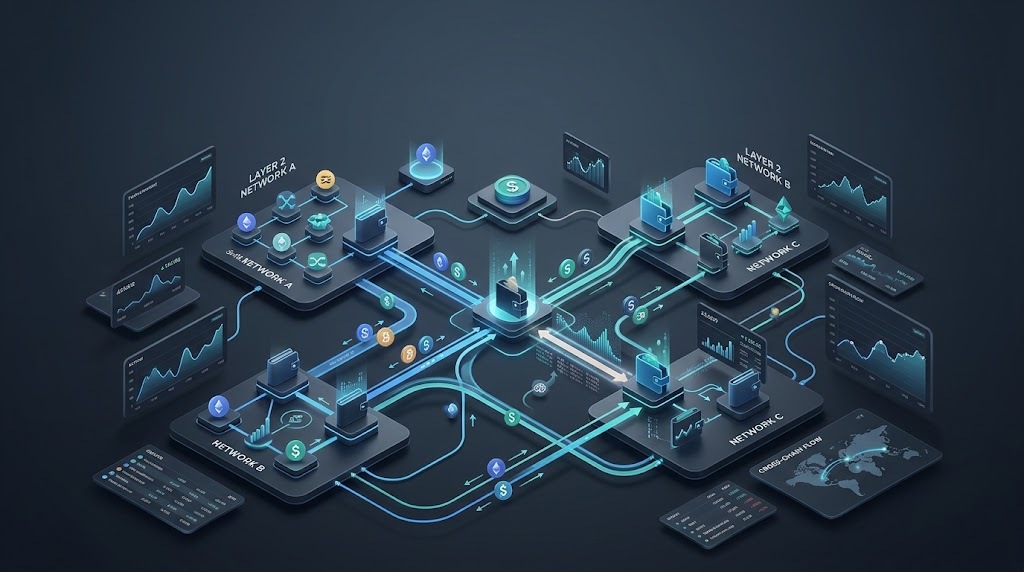
Smart Money Tracking: Following Wallet Movements on Layer-2 Networks
Introduction — Why Smart Money Tracking Matters on Layer-2 Networks The cryptocurrency market is becoming increasingly complex as activity moves beyond traditional Layer-1 blockchains. Ethereum remains one of the most important networks in the digital-asset ecosystem, but Layer-2 networks such as Arbitrum, Optimism, Base, and other scaling solutions now process significant amounts of transactions and…
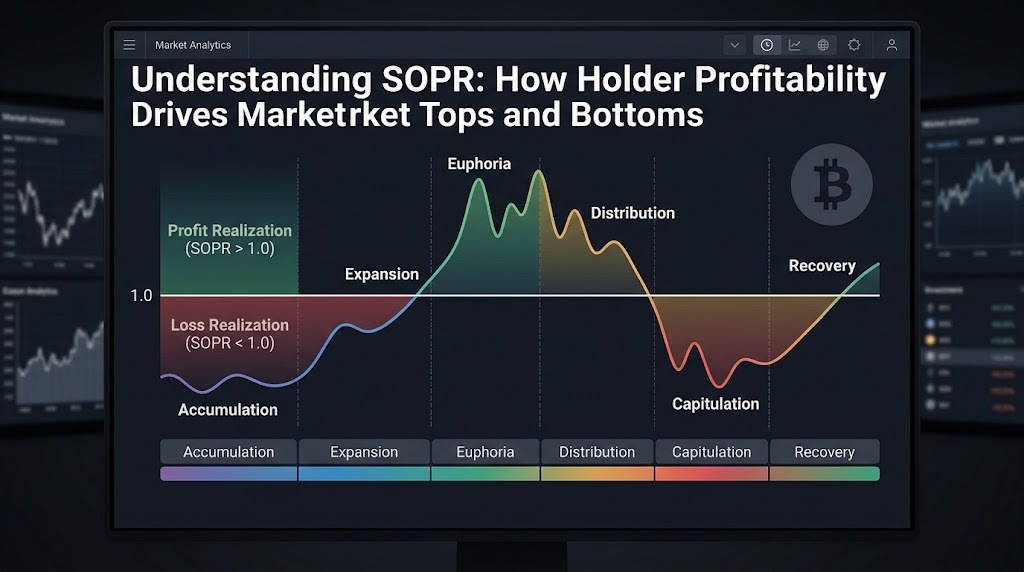
Understanding SOPR: How Holder Profitability Drives Market Tops and Bottoms
Introduction — What Is SOPR and Why Does It Matter? Bitcoin’s blockchain contains more than transaction records. It also provides valuable information about how investors behave when they move their coins. One of the most useful on-chain metrics for studying this behavior is SOPR, or Spent Output Profit Ratio. SOPR measures the profitability of coins…
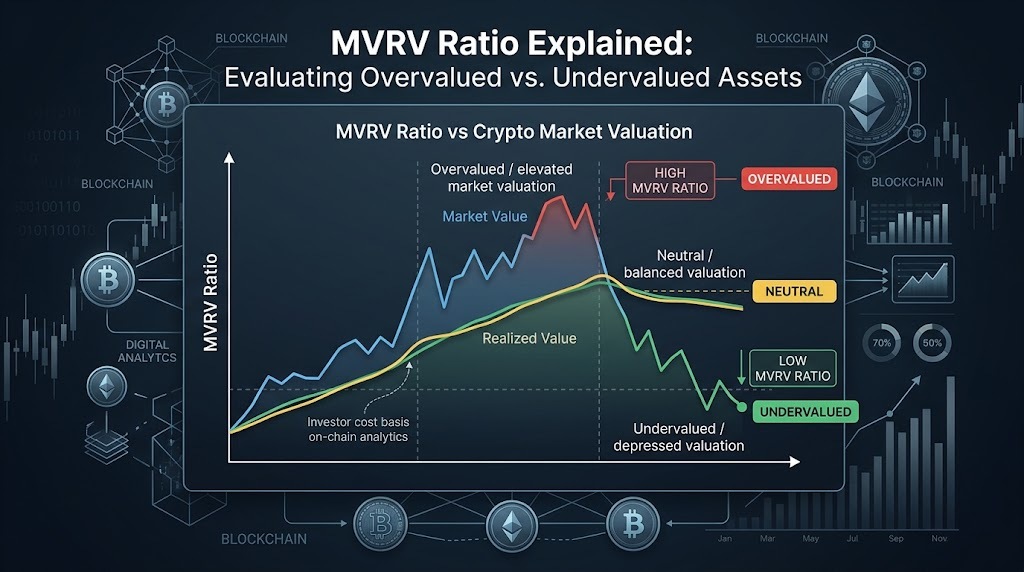
MVRV Ratio Explained: Evaluating Overvalued vs. Undervalued Assets
Introduction — Understanding the MVRV Ratio Cryptocurrency markets are known for their rapid price movements, sharp rallies, and sudden corrections. While traditional investors often rely on earnings, cash flow, interest rates, and economic indicators to evaluate assets, crypto investors have access to another powerful source of information: on-chain data. One of the most widely followed…